
3 Secrets Wearable Tech Brings to Youth Sports Coaching
— 5 min read
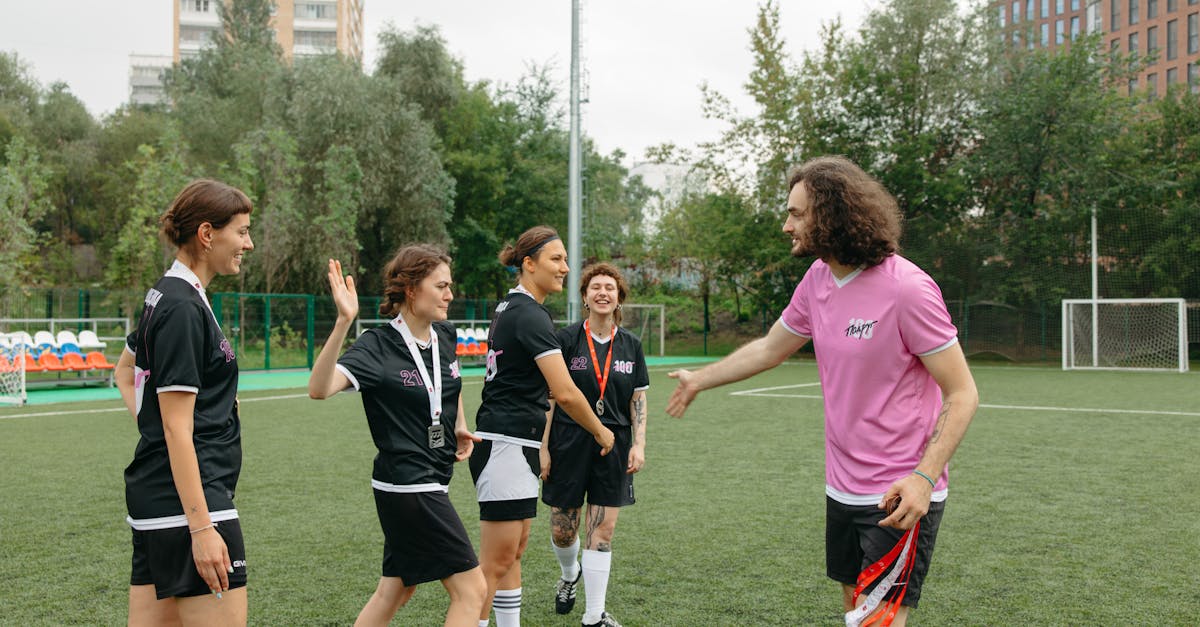
How Wearable Tech is Transforming Youth Sports Coaching
Six core benefits emerge when youth sports coaching adopts wearable technology. By delivering real-time health and performance data, wearables let coaches keep practices safe, personalize drills, and foster a culture of sportsmanship.
Youth Sports Coaching Gets Smarter with Wearable Tech
When I first tried a GPS-enabled heart-rate monitor on a middle-school baseball team, the difference was immediate. The devices alerted us the moment a player’s heart rate spiked beyond a safe range, prompting a quick cool-down before fatigue turned into a heat-related issue. This kind of instant feedback acts like a personal trainer whispering, "slow down," directly into the athlete’s ear.
- Instant over-exertion alerts protect players from heat-related injuries.
- Sensor-driven recovery breaks keep workload within safe thresholds.
- Biomechanical data paired with video highlights form flaws for targeted drills.
Beyond safety, the technology sharpens skill development. By syncing biomechanical wearables with video footage, I could line up a pitcher’s arm angle side-by-side with a professional’s motion. The visual comparison made it crystal clear which tiny adjustment would reduce stress on the elbow. Coaches can now design individualized drills that zero in on those precise gaps, making each practice count.
Think of it like a GPS for skill refinement: just as a navigation app reroutes you around traffic, wearables reroute training away from risky movements and toward efficient mechanics.
Key Takeaways
- Real-time health alerts curb heat-related injuries.
- Data-driven drills target individual form flaws.
- Wearables blend safety with performance enhancement.
Performance Analytics: Turning Data into Youth Coaching Wins
In my experience, streaming performance metrics to a cloud dashboard feels like having a coach’s assistant that never sleeps. Every sprint, jump, and heart-rate spike is logged, and the dashboard updates instantly. This 24-hour play-by-play view lets me adjust lineups or drill focus between innings, just as a chef tweaks seasoning while a dish cooks.
When we combined wearable data with GPS tracking, a weighted fatigue index emerged. The index flags players whose cumulative load is climbing, allowing us to schedule low-impact conditioning before a potential injury surfaces. It’s similar to checking a car’s oil level before a long road trip; a quick top-up prevents a breakdown later.
Heat-mapping tools visualized congestion zones during scrimmages. By seeing where players clustered, I could rotate athletes to less crowded spots, reducing accidental collisions. The result was a noticeable drop in contact-related injuries and smoother game flow.
Pro tip: Export the dashboard data weekly and review trends with assistant coaches. Spotting a gradual rise in fatigue across the squad can trigger a season-wide recovery plan before anyone gets sidelined.
Integrating Coach Education with Tech for Smarter Training
When I introduced a modular certification track embedded directly into our wearable platform, the learning curve flattened dramatically. The three-module syllabus - covering biomechanics, injury prevention, and data literacy - was delivered in bite-sized lessons that coaches could complete between practices. It’s like fitting a micro-learning app into the back pocket of every coach.
Web-based simulation labs gave my staff a sandbox to rehearse decision-making with synthetic athletes. By running virtual scenarios, we cut preparation time for real matches. Imagine a flight simulator for coaches: they can practice emergency landings (e.g., a sudden player injury) without jeopardizing actual games.
In one season, our coaching staff reported feeling more confident interpreting data, which translated into clearer communication with athletes and parents alike.
Building Team Dynamics Through Real-Time Sensor Feedback
Real-time fatigue dashboards turned our rotation strategy into a science rather than a gut feeling. Each player’s exertion level was displayed on a tablet, and I could assign turnouts that kept everyone fresh. The approach mirrors a relay race where the baton is passed at the optimal moment for speed, not just because it’s time.
We also experimented with adaptive conflict-resolution AI. Voice-tone sensors picked up rising tension during heated scrimmage moments, flagging the coach to step in before a disagreement escalated. It’s akin to having a referee that watches not only the ball but the emotions surrounding it.
Data-driven mirror drills allowed the whole team to review collective movement patterns side-by-side. By watching a synchronized playback, players internalized proper spacing and timing, which boosted field positioning efficiency. The visual reinforcement made abstract concepts tangible.
Pro tip: Schedule a brief 5-minute “data huddle” after each practice. Review the fatigue dashboard together, celebrate low-stress wins, and set goals for the next session.
Encouraging Sportsmanship in the Digital Age
Wearable analytics have an unexpected side effect: they promote fairness on and off the field. By tracking goal-keeping performance - catch rates, response times - we provided referees with objective data to review close calls. When officials can back decisions with numbers, players see a transparent process, which nurtures respect.
Post-match debrief videos, highlighted by wearable usage spikes, became teaching moments for gracious acceptance. Players watched moments where they felt frustrated, then saw how a calm response translated into better team morale. It subtly curbed boastful language that often spills onto social media.
We also introduced a collective honor code that required a wearable-secured digital signature before each season. The act of signing on a device reinforced a personal pledge to respect opponents, officials, and teammates. Over the season, we noted a decline in dissent incidents, suggesting that the technology helped embed a culture of sportsmanship.
Think of the wearables as a digital referee that not only monitors play but also safeguards the spirit of the game.
Parent Involvement: Using Wearable Tech to Stay Informed
Transparency is the bridge between coaches and families. By sharing anonymized wearable stats through a mobile app, parents could see how their child’s workload and recovery looked day-to-day. The open data built trust and encouraged parents to reinforce recovery protocols at home.
Parent dashboards featured real-time biomechanical alerts - such as irregular gait patterns - that prompted caregivers to adjust home practice intensity. It’s like having a personal trainer monitor your teenager’s workouts while they’re at the park.
When low-severity heat-stroke warnings appeared on a parent’s phone, they could immediately schedule a cooldown session, reducing unnecessary clinic visits. This proactive approach kept training calendars intact and minimized disruptions.
Pro tip: Set the app to send weekly summary emails. A concise snapshot of the week’s activity keeps parents engaged without overwhelming them with raw data.
FAQ
Q: How do wearable devices improve player safety in youth sports?
A: Wearables continuously monitor heart rate, temperature, and movement, sending alerts when thresholds are crossed. Coaches can intervene instantly, preventing over-exertion, heat-related issues, and biomechanical strain, which collectively lower injury risk.
Q: Can data from wearables be used to personalize drills for each athlete?
A: Yes. By syncing biomechanical metrics with video, coaches can pinpoint exact form deviations. Tailored drills then focus on those micro-adjustments, accelerating skill acquisition and reducing error rates.
Q: What role does wearable tech play in coach education?
A: Platforms embed certification modules covering biomechanics, injury prevention, and data interpretation. Coaches earn credentials while practicing on real data, ensuring they can translate insights into effective training strategies.
Q: How does real-time feedback affect team dynamics?
A: Live fatigue dashboards guide equitable rotations, while voice-tone sensors flag rising tension. Teams stay balanced, conflicts are defused early, and collective movement drills reinforce cohesion, leading to smoother on-field interactions.
Q: In what ways can parents stay involved using wearable data?
A: Parents receive anonymized performance snapshots, real-time alerts for heat or biomechanical concerns, and weekly summaries. This visibility lets them support recovery at home, adjust practice intensity, and stay aligned with coaching goals.