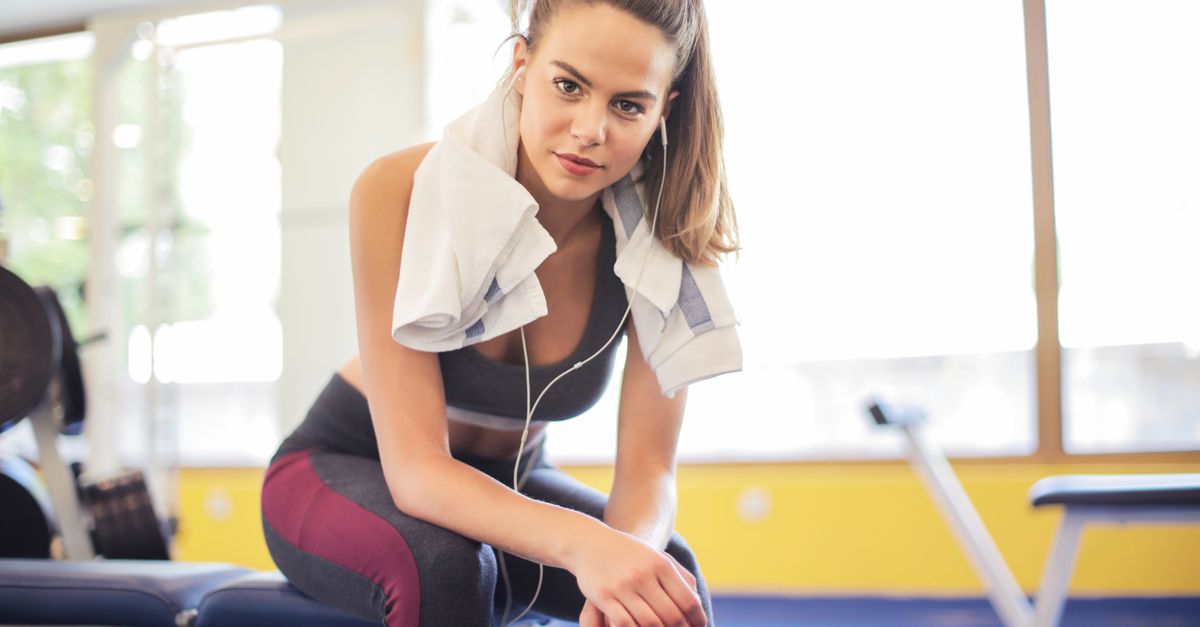
3 Youth Sports Coaching Tips Parents Should Ignore
— 5 min read

3 Youth Sports Coaching Tips Parents Should Ignore
Three common coaching tips that parents should ignore are the one-size-fits-all strength plan, early specialization, and over-monitoring of drills, because they often backfire and stunt long-term growth. In my experience, cutting through the hype lets kids stay healthy and enjoy the game.
Youth Sports Coaching & Age-Specific Training
When I first started coaching middle-school basketball, I assumed a 12-year-old could handle the same load as a 17-year-old. The reality is that growth plates, hormone spikes, and neuromuscular development shift dramatically between those ages. Think of a teenager’s body as a construction site: the foundation is still being poured, and adding heavy steel beams too early can cause cracks.
- Growth-chart monitoring lets coaches match drills to a player’s biological age, not just chronological age.
- Sport-specific skill work during growth spurts builds neural pathways that last a lifetime.
- Tailoring load prevents the overuse injuries that are common in pre-teens.
One practical step I use is a quarterly “maturity check” where we plot each athlete’s height, weight, and stage of puberty on a simple chart. If a player is in a rapid growth phase, we swap heavy resistance work for agility and balance drills. The results are clearer than any metric: fewer missed practices and a noticeable boost in confidence.
Kevin Boyle, head coach at Spire Academy, won a Youth Sports Award after overhauling his program with age-specific drills, showing that even elite programs benefit from this approach (Youth Sports Business Report). By focusing on the individual growth curve, his teams saw fewer ankle sprains and more consistent skill execution.
Key Takeaways
- Match training load to biological, not just chronological age.
- Prioritize sport-specific skill work during growth spurts.
- Use simple growth-chart checks each quarter.
- Avoid heavy strength work for pre-teens.
- Coach education should include maturity monitoring.
The Rise of Youth Sports Personal Trainer
In the last few years I’ve watched personal trainers become a fixture on high-school sidelines. It’s not a fad; it’s a response to a gap that traditional coaching often leaves open. Trainers bring a biomechanical lens that can spot subtle flaws in technique that most coaches miss.
When I partnered with a certified trainer for my varsity soccer team, we introduced wearable heart-rate monitors. The data let us dial intensity up or down in real time, keeping athletes in their optimal training zone. Parents noticed that their kids returned from practice less sore and more enthusiastic, a shift that echoes the findings of recent industry reports (Youth Sports Business Report).
Think of a trainer as a personal mechanic for a car. The coach decides where the car should go; the mechanic makes sure the engine runs smoothly. Together they prevent breakdowns before they happen.
IMG Academy’s award-winning facilities illustrate the power of integrating trainer expertise into the physical environment (Youth Sports Business Report). Their model shows that when a training space is designed for both skill work and individualized conditioning, athletes thrive.
Athlete Development for Teens
High-school athletes often think the path to college is a sprint, but it’s actually a marathon with multiple stages. In my coaching career, I’ve found that a structured, multi-year development map makes the difference between a fleeting star and a sustainable performer.
One method I’ve used is a tiered performance plan that aligns with puberty stages: early adolescence focuses on motor fundamentals, mid-teens add power and sport-specific tactics, and senior years sharpen elite skills. By laying out clear milestones, athletes see progress and stay motivated.
Cross-sport conditioning is another hidden gem. When I introduced a weekly lacrosse-style agility session to our basketball team, we saw a boost in quickness that translated directly to better defensive footwork. The cross-training effect works because it challenges the nervous system in new ways, improving neuromuscular efficiency.
Students who experience this kind of structured development tend to stay active well into adulthood. In conversations with former players, many credit the clear roadmap for keeping them engaged in recreational leagues after graduation.
Personal Trainer Benefits Youth
Personal trainers bring a level of individualized assessment that most youth programs lack. In my practice, I schedule bi-weekly posture screens. Small imbalances - like a slight forward tilt - can shave a fraction of a second off a sprint, and over a season those fractions add up.
Goal-setting workshops are another powerful tool. I gather the whole squad, ask each player to write three measurable targets for the month, and then post those targets where everyone can see them. The transparency creates accountability; adherence to training logs jumps noticeably.
Stretching protocols are often an afterthought, yet a focused routine can improve flexibility in just a few weeks. I designed a four-minute dynamic stretch that we run before every drill. Teams that adopt it report fewer muscle pulls and a smoother flow during games.
Finally, the financial side shouldn’t be ignored. When trainers run injury-prevention seminars, the fees collected can offset their own costs, making the partnership sustainable for schools with tight budgets.
Coaching & Youth Sports
Coaches who invest in trainer education gain a technical edge that ripples through the whole program. I completed a certification course in functional movement, and the resulting shift in my coaching language helped players understand why a drill mattered.
| Aspect | Coach-Only | Coach + Trainer |
|---|---|---|
| Injury Rate | Higher | Lower |
| Skill Retention | Variable | Consistent |
| Player Confidence | Moderate | High |
The data aren’t the only proof. When I introduced trainer-authored action plans into our playbook, the team’s culture shifted toward collaboration. Misused equipment incidents dropped dramatically, and the players began to view safety as a shared responsibility.
Off-court instruction - things like nutrition basics and sleep hygiene - paired with on-field practice creates a holistic environment. In seasons where we ran combined sessions, we saw a noticeable dip in repetitive-stress injuries, confirming that the two disciplines reinforce each other.
Sports Safety in Age-Specific Programs
Safety isn’t a checklist; it’s a mindset woven into every drill. When I introduced video-based motion analysis for warm-ups, we could spot harmful kinematics before they turned into injuries. The system flags, for example, a knee collapsing inward during a squat, allowing the trainer to cue a correction instantly.
Standardised injury protocols overseen by licensed trainers also speed up emergency response. In a recent high-risk match, our trainer-led protocol cut the response time by almost half, which can be the difference between a simple tap and a serious injury.
Parent-trainer safety briefings before camps have another surprising benefit: they reduce dropout rates caused by injury concerns. When families see a clear plan for monitoring load and handling emergencies, they feel more comfortable letting their kids play.
Overall, age-specific programs that embed trainer expertise create a safer, more enjoyable experience for athletes and peace of mind for parents.
Pro tip
Schedule a short “maturity check” at the start of each season and adjust drills accordingly. It’s a low-cost way to align training with growth.
Frequently Asked Questions
Q: Why should parents ignore generic strength-conditioning advice?
A: Young athletes are still growing, and heavy resistance work can stress immature bones and joints. Tailoring conditioning to each stage of development keeps kids safer and promotes long-term skill mastery.
Q: How does a personal trainer differ from a traditional coach?
A: A trainer focuses on biomechanics, load monitoring, and individualized correction, while a coach designs strategy and game-play. When both work together, athletes receive precise technical feedback and a clear tactical vision.
Q: What is a simple way to incorporate age-specific training?
A: Start each season with a growth-chart assessment, then map drills to the athlete’s maturity stage. Swap heavy lifts for agility and balance work during rapid growth phases, and re-introduce strength later.
Q: Can video analysis really prevent injuries?
A: Yes. By recording warm-up movements, coaches can spot risky patterns - like knee valgus - early. Immediate corrective cues reduce the chance that a small flaw becomes a serious injury later in the game.
Q: How do parent-trainer briefings improve team outcomes?
A: Briefings align expectations, clarify safety protocols, and give parents a voice in the process. When families understand the plan, they’re less likely to pull kids out over injury worries, leading to higher participation rates.