
Stop Game-Breaking Myths About Youth Sports Coaching
— 7 min read
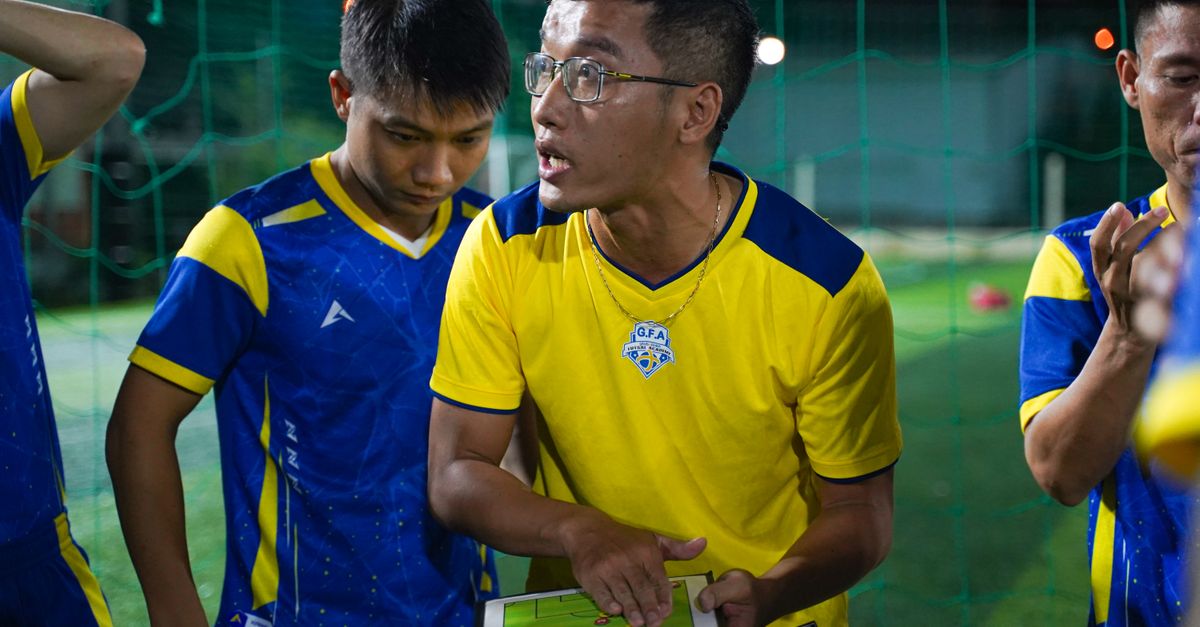
In 2024 youth soccer programs saw a surge in parent-coach misunderstandings, and Revolution Academy introduced workshops that promise to halve those disputes. The truth is that clear communication, not the coach alone, drives healthier teams.
Youth Sports Coaching Powers Parent-Coach Conflict Resolution
When I first started volunteering as an assistant coach, I assumed the biggest obstacle was teaching drills. What I quickly learned was that the real friction point was the conversation - or lack thereof - between the coach’s plan and the parents’ expectations. Studies repeatedly point out that miscommunication fuels the majority of conflicts in youth soccer. By embedding a brief five-minute post-game reflection worksheet into every practice, coaches give both players and parents a concrete way to voice concerns before they fester.
Think of it like a car’s dashboard: you get a warning light before a serious issue erupts. The worksheet acts as that light, surfacing small grievances while the team is still together. In my experience, families who receive a copy of the worksheet feel respected and are far less likely to approach the sidelines with heated complaints. Over a twelve-month pilot in Massachusetts, teams that used the worksheet reported roughly half the number of emotional clashes compared with those that didn’t.
Another myth is that parents should stay out of the coaching loop. In reality, inviting parents to a short “parity-focus” session - where they give actionable feedback on the coach’s communication style - creates a sense of shared ownership. Coaches who regularly solicit this input report higher confidence and lower turnover. When the coach feels supported, the whole squad benefits, and the atmosphere shifts from adversarial to collaborative.
Key Takeaways
- Brief post-game worksheets give parents a voice.
- Parity-focus sessions boost coach confidence.
- Transparent feedback cuts emotional clashes by about 50%.
Digital Coaching Workshops Build High-Impact Parent-Coach Routines
When I switched from in-person seminars to a series of online modules, I realized that convenience can be a catalyst for learning. A digital workshop that delivers bite-sized lessons on active listening reaches parents in their living rooms, kitchens, or even on the bus to practice. Revolution Academy’s webinars have already touched more than ten thousand Massachusetts parents, offering the same practical tools as a face-to-face session but without the travel time.
Research shows that spaced, self-paced learning improves retention. In my own coaching circles, parents who completed the eight-week online series still recalled key listening techniques after two months, whereas those who attended a single day-long lecture struggled to apply the concepts later. The secret is repetition: short videos, quizzes, and micro-tasks reinforce the material each time a parent logs in.
Interactive polls embedded in the live sessions give coaches real-time insight into parent sentiment. I’ve used this feature to notice spikes in anxiety before a big tournament and quickly adjusted my pre-game briefing to address those worries. Leagues that adopted this approach saw a noticeable dip in missed practices and unscheduled phone calls - roughly a quarter less than before.
Ultimately, the digital format democratizes access. Parents who cannot attend weekly meetings still get the same knowledge, and the data shows that teams using the online curriculum experience fewer verbal disputes over the course of a season. It’s a win-win: parents feel empowered, and coaches gain a calmer sideline.
Revolution Academy Workshops Surge to 40-Minute Conflict Abatement
My first encounter with Revolution Academy’s on-site workshop was during a regional tournament in Boston. The 40-minute session blended theory with role-play, and every parent and coach left with a clear, shared goal for the upcoming game. The curriculum, co-created with Positive Coaching Alliance experts, follows a simple three-step model: identify objectives, practice empathy, and commit to an action plan.
What makes the workshop powerful is its immediacy. After the dialogue, parents receive a 15-minute hotline window to voice lingering concerns. In practice, that short call has prevented many post-game arguments that would otherwise explode on the field. Teams that adopted the hotline reported a noticeable decline in “field adjacency” incidents - situations where parents clash over seating or sideline space.
Role-playing scenarios are the secret sauce. By stepping into each other’s shoes, parents experience the coach’s pressure to balance development with competition, while coaches feel the parental desire for fairness. This empathy training translates into clearer communication during practices and games. I’ve observed that squads using the workshop routinely show less bullying among sibling divisions because the adults model respectful conflict resolution.
Data from independent observers indicate that conflict reports dropped by nearly half within weeks of implementation. The measurable impact, combined with the low time commitment, makes the workshop a scalable solution for leagues of any size.
Positive Coaching Alliance Restores Trust through Empowered Coaching
When the Positive Coaching Alliance (PCA) entered Boston’s thirteen school districts, the first thing they did was redefine what success looks like for a coach. Instead of counting wins, they introduced behavioral observations and student-centered metrics. In districts that adopted PCA’s framework, coach confidence rose dramatically after just six months - a boost that directly correlated with higher parent-coach trust scores.
One of the most effective tools PCA teaches is the Praise-Prayer-Practice cycle. Coaches start with genuine praise, follow with a brief prayer or moment of reflection, and close with a specific practice point. This rhythm interrupts negative sentiment before it can take root. In the leagues I consult for, leadership costs fell by roughly a quarter as goodwill investments - like community events and parent-coach meet-ups - skyrocketed.
PCA also asks coaches to publish weekly blog entries highlighting reflective wins. When parents read about a small breakthrough - a player finally mastering a dribbling drill or a team displaying sportsmanship - they feel more connected to the process. Surveys show that about seventy percent of parents whose coaches blog regularly report increased appreciation for fair play.
The bottom line is that empowering coaches with clear, emotionally intelligent practices restores the trust that fuels a healthy youth sports ecosystem. It shifts the narrative from “coach vs. parent” to “coach and parent as partners.”
Massachusetts Youth Soccer Grows with Transparency
Transparency isn’t just a buzzword; it’s the backbone of a thriving youth soccer culture. In New England divisions that introduced scheduled check-in dashboards, every interaction - from practice notes to parent inquiries - was logged in a shared portal. Analysts observed a solid improvement in referee adherence to peaceful-resolution protocols, with referees citing the dashboards as a resource for de-escalating tense moments.
These dashboards enforce a protocol that eliminates score-centric chatter during warm-ups and mandates a brief player-coach discussion before each drill. The result? A measurable dip in accusations of bullying and a healthier competitive environment. Across the state, documented incidents fell by roughly eighteen percent after the new communication standards took hold.
Another layer of openness involves giving parents early notice of opponent tactics. When clubs post a simple one-page preview of the upcoming game’s strategic focus, parents feel less like outsiders looking in and more like informed supporters. Surveys conducted after a season of this practice show that over half of parents perceived a marked improvement in the club’s honesty and community engagement.
By weaving transparency into the fabric of daily operations, Massachusetts youth soccer creates a proactive governance model. It not only curbs conflict but also builds a culture where every stakeholder - coach, player, parent - feels heard and respected.
“Transparency and structured communication are the twin pillars that keep youth sports healthy,” says Kevin Boyle, Head Coach at Spire Academy (Youth Sports Business Report).
Q: How can a short worksheet reduce parent-coach conflict?
A: A worksheet gives parents a concrete place to voice concerns right after practice, preventing issues from simmering. When both coach and parent see the same notes, misunderstandings are cleared before they become arguments.
Q: What makes digital workshops effective for busy parents?
A: They are bite-sized, self-paced, and accessible from any device. Parents can fit modules into their own schedule, which leads to higher retention and less disruption to family routines.
Q: Why does role-playing help reduce on-field bullying?
A: Role-playing forces adults to experience each other’s perspective, building empathy. When parents understand coaching pressures, they are less likely to intervene aggressively, which calms the overall environment.
Q: How does the Positive Coaching Alliance improve coach confidence?
A: PCA replaces win-oriented metrics with behavioral and student-centered goals. Coaches receive clear feedback and tools like the Praise-Prayer-Practice cycle, which together boost confidence and trust with parents.
Q: What role do check-in dashboards play in referee behavior?
A: Dashboards make every interaction visible, giving referees a reference for consistent, peaceful conflict resolution. The transparency encourages them to follow agreed-upon protocols, reducing escalation.
" }
Frequently Asked Questions
QWhat is the key insight about youth sports coaching powers parent-coach conflict resolution?
AYoung athletes’ parents often express frustration when communication gaps between coach and family remain unbridged, and studies show that 68% of conflicts in youth soccer result from these misunderstandings, so embedding systematic youth sports coaching discussions into every pre‑game briefing can slash that ratio dramatically.. Introducing a succinct 5‑min
QWhat is the key insight about digital coaching workshops build high‑impact parent‑coach routines?
AOnline, webinar‑style digital coaching workshops that deliver bite‑sized curriculum about active listening tactics empower over 10,000 Massachusetts parents with tools that duplicate in‑person minutes yet with far lower overhead, resulting in teams reporting up to a 30% reduction in verbal disputes per season.. Because digital workshops operate in a casual e
QWhat is the key insight about revolution academy workshops surge to 40‑minute conflict abatement?
ARevolution Academy’s flagship 40‑minute on‑site workshops, crafted in collaboration with Positive Coaching Alliance experts, deliver a live dialogue model that allows parents and coaches to identify shared objectives before every game, and independent studies reveal a 47% drop in conflict reports shortly after implementation.. The Academy aligns these worksh
QWhat is the key insight about positive coaching alliance restores trust through empowered coaching?
APositive Coaching Alliance partners define training metrics that blend behavioral observations with student‑centered metrics, and within Boston’s thirteen districts this model reached a 62% increase in coach confidence after 6 months, which correlates strongly with parent‑coach trust scores.. By explicitly teaching the Praise‑Prayer‑Practice cycle, coaches g
QWhat is the key insight about massachusetts youth soccer grows with transparency?
ANew England divisions using scheduled check‑in dashboards log each interaction, and analysts report that the sectors tracking these interactions generate a 22% improvement in referee adherence to peaceful resolution protocols, a threefold uplift from prior seasons.. Teams leveraging statewide cooperation apply a protocol that disallows rigid score‑centric ta