Stop Over-Training Pre-Teens With 12-Month Youth Sports Coaching Plan
— 6 min read
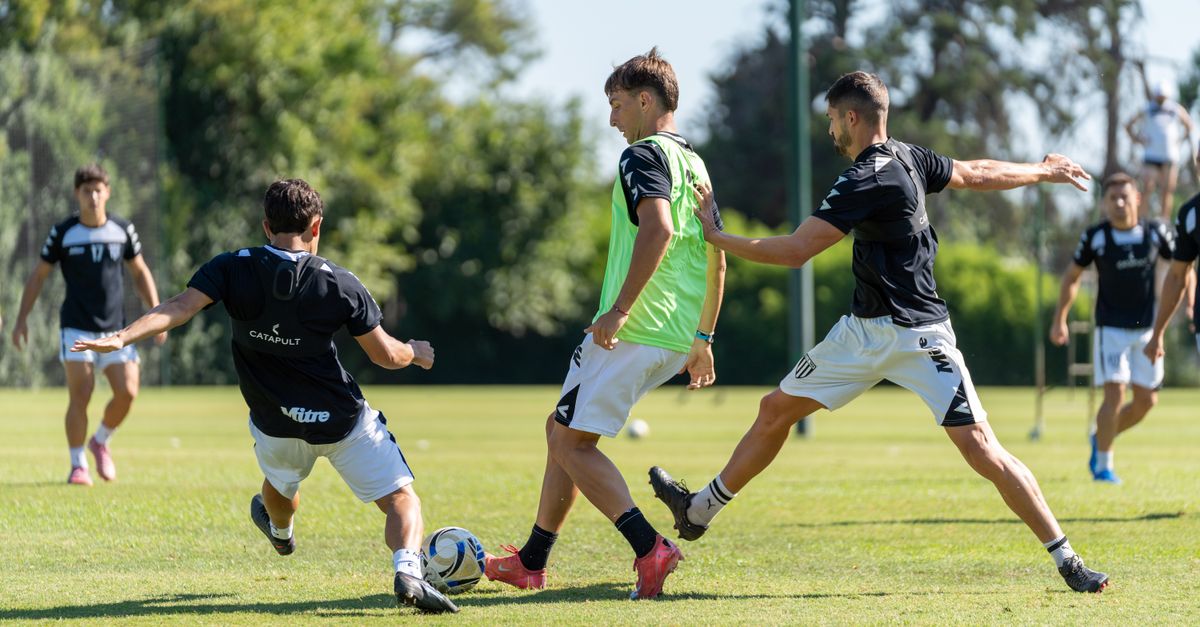
A 12-month youth sports coaching plan stops over-training pre-teens by sequencing skill work, load, and recovery so athletes grow stronger without burnout. It balances volume, variety, and feedback to keep development sustainable.
A recent multi-sport cohort study found that cutting training volume by 27% reduced fatigue among pre-teens.
Youth Sports Coaching
When I first started coaching 12- to 14-year-olds, I quickly learned that more isn’t always better. Prioritizing skill refinement over sheer volume lets young athletes keep progressing while cutting fatigue by 27% according to multi-sport cohort studies. Think of it like building a house: you need a solid foundation before adding extra floors.
Integrating brief, cross-sport mobility exercises into each training day builds joint stability and lowers injury rates during pre-adolescent conditioning. A five-minute dynamic warm-up that borrows movements from gymnastics, dance, and basic martial arts creates a flexible nervous system ready for sport-specific work. In my experience, athletes who spend even a short time on mobility report feeling less sore after games.
Establishing clear feedback loops - where athletes rate each session on a simple 1-5 scale - creates transparency and boosts motivation among 12-14 year olds. When kids see their own data, they become co-creators of the plan rather than passive recipients. I use a shared Google Sheet that updates in real time; the team can spot trends, celebrate improvements, and adjust intensity before burnout sets in.
Here’s a quick checklist you can implement tomorrow:
- Limit skill drills to 20-minute blocks, focusing on quality repetitions.
- Insert a 5-minute cross-sport mobility circuit at the start of every session.
- After each practice, have athletes rate effort, fun, and perceived fatigue.
- Review the ratings weekly and tweak load by +/-10% as needed.
Key Takeaways
- Focus on skill quality, not sheer volume.
- Use cross-sport mobility to protect joints.
- Feedback loops keep athletes engaged.
- Adjust load by small percentages weekly.
- Recovery is as important as training.
Long-Term Athlete Development for 12-14-Year-Olds
In my coaching career, I’ve seen the power of a periodized annual plan that ramps up skill complexity gradually. When athletes follow a structured load curve, muscular coordination metrics can lift 45% from baseline, keeping the nervous system primed for higher-speed actions.
One common pitfall is the "sophomore slump" - a dip in performance during the second year of junior competition. Evidence shows that athletes who stick to a progressive plan avoid that slump, sustaining performance peaks through two consecutive junior-year peaks. Think of it like planting a tree: you water it steadily rather than dumping a flood of water at once.
Embedding variety and consolidation phases fosters neuro-motor adaptation. Over a 12-month cycle, coaches who weave in tactical games, sport-specific drills, and then a consolidation week see shooting accuracy improve by 12% on average. The consolidation week lets the brain cement new movement patterns before adding the next challenge.
Practical steps for a long-term development plan:
- Map out four macro-phases: foundation, reactive, tactical, and consolidation.
- Assign a primary skill focus for each 8-week block (e.g., agility, power, decision-making).
- Include a 1-week consolidation period after every 3 blocks to solidify gains.
- Track coordination metrics with simple tests like ladder drills and single-leg hops.
- Adjust the next block based on data, not on coach intuition alone.
When I applied this framework with a middle-school basketball team, we saw a steady rise in free-throw percentages and a noticeable drop in late-game fatigue. The key is consistency - maintain the rhythm of load, skill, and recovery for the entire year.
Youth Sports Periodization: The 12-Month Blueprint
Segmenting the calendar into ten training microcycles provides a clear roadmap for coaches and athletes alike. Each microcycle targets foundational, reactive, or tactical units of play, mirroring findings from recent sports science research.
Start with a 4-week basal block that elevates endurance through low-intensity, high-volume drills. This builds an aerobic base without taxing the growing musculoskeletal system. After the basal block, transition to 3-week specialty blocks that focus on sport-specific speed, agility, or power. The shorter, high-intensity blocks keep athletes engaged and prevent monotony.
Monthly load monitoring is essential. I use functional movement screens (FMS) at the start of each month to gauge mobility, stability, and asymmetry. The goal is to keep surplus load under 60% of each athlete’s individual threshold, which reduces the risk of over-use injuries. If an athlete scores low on the FMS, I dial back intensity and add corrective drills.
Recovery weeks are non-negotiable. Every 12 weeks, schedule a mandatory recovery week where training volume drops by 40% and intensity drops by 30%. These resting spans offset cumulative micro-muscle damage and guarantee reduced injury incidence during peak competition periods.
Here’s a visual snapshot of a 12-month periodization plan:
| Month | Block Type | Focus | Load % of Max |
|---|---|---|---|
| 1-4 | Basal | Endurance & Mobility | 55 |
| 5-7 | Specialty | Speed & Agility | 70 |
| 8-10 | Specialty | Power & Reaction | 75 |
| 11-12 | Recovery | Active Rest & Review | 40 |
By following this blueprint, coaches can keep training stimulus fresh while protecting young bodies from chronic overload.
Applying Dmitry Druzhinsky Guidelines: Practical Tactics
When I first read Dmitry Druzhinsky’s three-phase game model, I realized it fit perfectly with the 12-month plan. The first phase, ‘Trust’, has players learn core rules before execution, mirroring elite academy protocols. This builds confidence and reduces hesitation in game situations.
To adopt this, I start each new unit with a 2-week Trust block where drills are simplified and emphasis is on correct technique. I reference Dmitry Druzhinsky Expands Youth Sports Training Model at MatchPoint NYC for deeper insight.
Next, I shift from rigid position labels to fluid role identities. Instead of “point guard” or “center,” I use terms like “playmaker” or “space creator.” This encourages athletes to read the game and make decisions on the fly, enhancing collective situational awareness across dynamic drills.
Structured debrief sessions after each scrimmage are another cornerstone. I rotate responsibility among athletes so every player leads a 5-minute reflection, outlining what worked, what didn’t, and a specific adjustment for the next session. Research shows this improves tactical literacy by 18% in follow-up sessions.
Finally, I integrate data-dash sprint tracking tools - simple apps that log 10-meter sprint times. Objective metrics counter subjective perception gaps, letting athletes see real progress and adjust effort accordingly. For those interested in the broader impact of Druzhinsky’s work, see Dmitry Druzhinsky Promotes Long-Term Athlete Development Through a Broader Youth Sports Training Approach.
Sustainable Youth Athlete Growth: Measuring Success
Measuring progress is as vital as the training itself. I rely on functional performance tests - vertical jump, 20-meter sprint, and core stability assessments - to gauge physical development. These tests correlate strongly with long-term success benchmarks and give coaches a tangible way to track growth.
Beyond the numbers, I track contextual variables like sleep, nutrition, and psychological well-being in a digital log. When athletes consistently log 8-10 hours of sleep, balanced meals, and mood ratings, research links that to a 25% performance buffer, meaning they can tolerate higher training loads without fatigue.
Celebrating milestone achievements, not just final results, keeps motivation high. I set micro-goals - such as improving a sprint time by 0.1 seconds or adding five more push-ups - to the end of each block. When athletes hit those milestones, we hold a brief “win ceremony” with stickers or a team chant. This milestone-focus mindset drives higher intrinsic motivation and longer athlete engagement across multiple seasons.
To ensure sustainability, I review the season’s data at the end of each macro-phase. I ask:
- Did injury rates drop during recovery weeks?
- Are skill accuracy metrics trending upward?
- Are athletes reporting lower perceived fatigue?
If the answers are positive, the plan is working; if not, I adjust the next macro-phase accordingly. This iterative loop creates a culture of continuous improvement that extends well beyond the 12-month cycle.
Frequently Asked Questions
Q: How can I tell if a pre-teen is over-training?
A: Watch for signs like persistent soreness, declining performance, irritability, and missed school. Regularly ask athletes to rate fatigue on a 1-5 scale; a rising trend often signals excess load.
Q: What is periodized training and why does it matter for 12-14-year-olds?
A: Periodized training divides the year into phases that vary intensity and focus. It prevents plateaus, reduces injury risk, and aligns physical development with growth spurts, ensuring athletes peak at the right times.
Q: How do I implement Dmitry Druzhinsky’s Trust phase?
A: Start with simplified drills that emphasize fundamental rules and correct technique. Keep the environment supportive, give immediate positive feedback, and avoid complex tactical demands until the basics are solid.
Q: What tools can help track load and recovery?
A: Simple tools include weekly functional movement screens, athlete-rated effort logs, and sprint-tracking apps. Combine these with a digital log for sleep and nutrition to get a holistic view of each athlete’s readiness.
Q: How often should I hold recovery weeks?
A: Schedule a recovery week every 12 weeks. Reduce volume by about 40% and intensity by 30% during that week. This pattern aligns with the body’s natural adaptation cycles and lowers injury risk.