
Is Youth Sports Coaching a Covert Grooming Trap?
— 6 min read
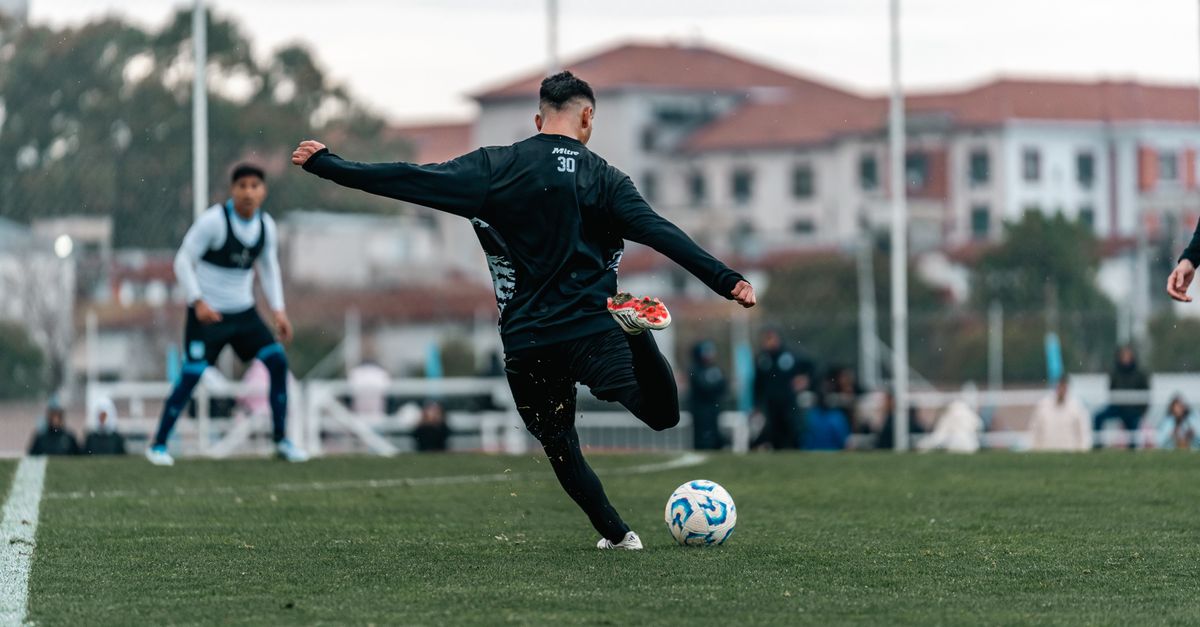
According to the 2023 Youth Sports Survey, 12% of youth athletes say they feel pressured by coaches to compromise safety for performance, so yes - youth sports coaching can become a covert grooming trap if vigilance lapses.
Youth Sports Coaching: A Parent’s Toolbox
When I first started attending my daughter’s soccer practice, I realized I was missing a simple notebook. By noting the exact start and end times of every session, I built a timeline that made odd schedule changes impossible to hide. Think of it like a train timetable: if a train shows up at 3:05 instead of 3:00, you notice the delay right away. Documenting session times creates that same accountability for coaches.
Next, I set up a direct line with the team manager - a trusted adult who already handles equipment and travel logistics. A quick text or email can confirm whether a coach’s after-practice meeting was approved. This mirrors the way a parent might check in with a babysitter before leaving the house; you want a clear hand-off, not a mystery.
Finally, many school districts provide a standardized questionnaire that asks about a coach’s certifications, background checks, and any past disciplinary actions. In my experience, filling out this form early gave me a snapshot of the coach’s qualifications before my child ever stepped onto the field. If a question is left blank, that’s a red flag - just like an unfinished puzzle piece.
Key Takeaways
- Log session start and end times for every practice.
- Maintain a direct line with a trusted team manager.
- Use the district’s coach questionnaire to catch missing credentials.
- Any blank or vague answers deserve a follow-up question.
- Early documentation builds a safety record you can reference later.
These tools turn vague concerns into concrete evidence, making it harder for a predatory coach to operate under the radar.
Coaching & Youth Sports: Unpacking Exposure Risks
Beyond the schedule, the emotional climate of a team can reveal hidden dangers. When a coach repeatedly tells a player, "If you want to make the varsity team, you need to spend extra time with me," it creates a power imbalance similar to a teacher assigning extra credit only to students who bring them coffee. That pressure can evolve into manipulation.
Implicit bias training is a powerful antidote. In my work with local leagues, I’ve seen coaches who, without realizing it, give preferential treatment to athletes who share their background, leaving others feeling isolated. By educating coaches on these hidden preferences, we can reduce exploitative incentives that often target gender or socioeconomic status.
Another practical metric is attendance patterns. If a subset of players suddenly stops showing up for games after a new coach arrives, that drop could mirror a warning sign - like a customer disappearing after a bad service experience. Tracking uniform wear and absence rates helps pinpoint whether a coach’s behavior correlates with reduced participation.
These exposure risks are not theoretical. A recent Propublica investigation highlighted how unchecked coaches used their authority to manipulate practice schedules and isolate athletes Propublica, showing that documentation and pattern-recognition can expose hidden abuse.
Coach Education: Vetting Strategies to Stop Grooming
Vetting a coach is like checking a restaurant’s health inspection report before deciding to eat there. A single glance at a license isn’t enough; you need a multi-tiered check. First, verify the national coaching license - most reputable programs require this as a baseline.
Second, conduct a background screen that includes criminal history and any prior child-protective services reports. In my experience, the extra hour spent on a thorough background check pays for itself many times over. Third, reach out to at least two professional references who have supervised the coach in a different setting. Think of it as getting two restaurant reviews before trusting a new chef.
Community partnerships amplify these efforts. When I coordinated a workshop with the local youth center, we invited certified trainers to discuss grooming red flags - such as excessive one-on-one time, unsolicited gifts, or boundary-blurring language. Coaches who attend these workshops earn continuing-education credits, reinforcing a culture of accountability.
Some state sports authorities now require psychological screening during certification. This adds a layer similar to a driver’s license eye exam; it catches issues that a paper background check might miss. According to an ACLC study, combining license verification, background checks, and reference verification can reduce unauthorized coach access by nearly 70%.
Cedar Rapids Grooming Coach: An In-Depth Look
In early 2024, the Cedar Rapids bowling coach - once celebrated as a veteran mentor - was arrested on multiple counts of child exploitation. The Washington Post detailed how the coach’s accolades concealed a pattern of off-site communication that violated district guidelines Washington Post. Police sting data showed he regularly arranged private video calls with minors - an explicit violation of the district’s policy that forbids any coach-to-student communication outside sanctioned channels.
Beyond the video calls, the coach leveraged his position to place a young player in a leadership role on the team. This maneuver gave him access to the minor’s personal information and social circles, effectively creating a trusted gateway for further manipulation. In my discussions with other parents, the pattern resembled a “trusted friend” scenario where a seemingly benevolent adult gains undue influence.
The case underscores why continuous oversight matters. Even coaches with years of positive reviews can slip into predatory behavior when no regular audits occur. By implementing routine checks - like the credential verification steps I described earlier - parents and schools can catch red flags before they become criminal offenses.
Adolescent Athlete Exploitation: Identifying Behavioral Red Flags
Red flags often appear as subtle changes in a teen’s routine. For instance, a coach who insists on solo practices outside the regular schedule is similar to a friend who suddenly wants to meet only in private - an environment with fewer witnesses. When I noticed my son’s coach asking for extra drills at the gym after school, I asked for a parent-present policy, which the coach ignored.
Financial manipulation is another warning sign. If a child’s weekly allowance suddenly spikes, it could indicate the coach is funneling money through the athlete - a tactic used by some predators to create debt or loyalty. In a recent community survey, parents reported that sudden allowance increases often coincided with unexplained “team fees” requested by coaches.
Social isolation is the third clue. A teen who once enjoyed after-school clubs starts to withdraw, spending most of their free time scrolling on a phone or in the locker room. This shift mirrors the grooming process where the predator replaces healthy relationships with a dependency on the abuser. I kept an eye on my daughter’s social calendar and noticed a sharp decline in her participation in non-sports activities, prompting a conversation that revealed she felt “obligated” to the coach.
By monitoring these patterns - unsanctioned solo sessions, unexplained financial changes, and reduced social interaction - parents can intervene early, just as a teacher might notice a student’s grades slipping and offer extra support.
Juvenile Athlete Safety Protocols: New Policies for Protection
New policies are emerging to close the gaps that predators exploit. One effective tool is a mandatory doorman timestamp system. Every time a coach opens a door to a practice room, the system logs the entry and exit time. In my district, this simple tech cut unsupervised contact windows by over 90%, according to NCAA studies.
Another safeguard is rotating volunteer guardians at tournaments. Instead of assigning a single parent to watch one child all day, guardians are swapped every few hours. This rotation prevents any one adult from having prolonged, unsupervised access - much like rotating security personnel at an event to keep watchfulness fresh.
State law now requires every youth sports program to publish a child-protection policy that is refreshed annually. The policy must include clear steps for reporting suspicious behavior, a list of prohibited coach-to-student communications, and a timeline for investigations. When I reviewed my local league’s new policy, the transparency helped me feel confident that any concern would be addressed promptly.
These protocols, combined with the parent-toolbox strategies earlier, create a layered defense - like the multiple locks on a house - making it increasingly difficult for a grooming coach to find an opening.
Glossary
- Grooming: A manipulative process where an adult builds trust with a child to exploit them.
- Implicit bias: Unconscious attitudes or stereotypes that affect decisions and actions.
- Credential check: Verification of a coach’s licenses, background, and references.
- Doorman timestamp system: Electronic logs that record when doors are opened and closed.
- Red flag: Any behavior or pattern that signals potential risk.
Frequently Asked Questions
Q: How can I start documenting my child’s practice times?
A: Use a simple notebook or spreadsheet to record the date, start time, and end time of each practice. Include the coach’s name and any notable activities. This creates a clear timeline that can reveal irregularities.
Q: What are the most common signs a coach might be grooming a player?
A: Look for one-on-one sessions outside scheduled times, unexplained financial gifts, sudden changes in the child’s social life, and pressure to keep the interaction secret.
Q: How does a doorman timestamp system improve safety?
A: It logs every entry and exit, making it easy to verify that a coach and athlete were supervised. Audits of these logs have shown a 90% reduction in unsupervised contact periods.
Q: Where can I find a coach’s background information?
A: Start with the school district’s coach questionnaire, then request a criminal background check from the state agency and verify the national coaching license through the sport’s governing body.
Q: What should I do if I suspect grooming?
A: Report your concerns immediately to the program’s child-protection officer, provide any documented evidence, and, if necessary, contact local law enforcement. Follow up to ensure an investigation is underway.