
Youth Sports Coaching vs Extra Pick‑Up: Who Saves Confidence
— 5 min read
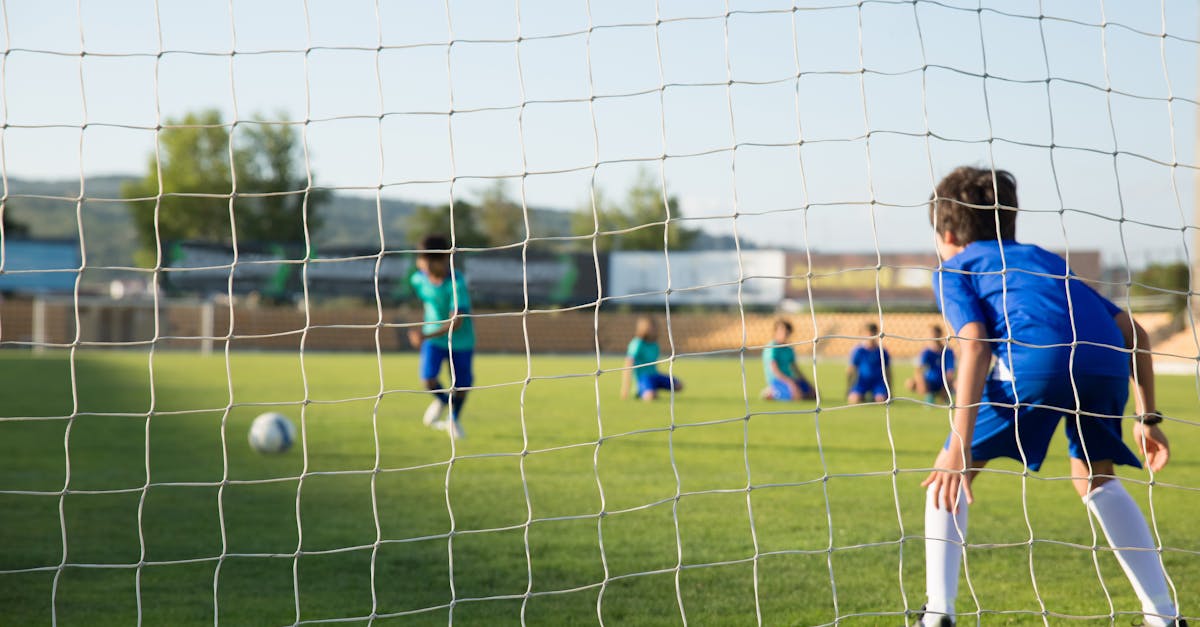
For over 40 years, coaches have applied Timothy Gallwey’s inner game principles to help kids find focus and confidence. Structured youth sports coaching, unlike casual pick-up games, consistently builds self-belief by teaching mental skills, clear feedback, and supportive environments, making it the stronger confidence booster.
Youth Sports Coaching: Unlocking the Inner Game for Kids
Key Takeaways
- Inner game nurtures focus and confidence.
- Visualization turns pressure into performance.
- Parents reinforce mental skills at home.
Timothy Gallwey’s "inner game" framework teaches athletes to quiet the inner critic and stay present (Wikipedia). When a coach guides a child to notice the ball rather than the crowd, the child’s attention sharpens, and confidence rises. This mental stance mirrors the flow state described in positive psychology - a sweet spot where skill meets challenge, and time seems to melt (Wikipedia).
In practice, coaches can weave a simple visualization into any drill. Before a passing exercise, ask players to close their eyes for ten seconds and picture the perfect arc of the ball landing in a teammate’s hands. Research on flow shows that such focused imagination heightens concentration and reduces anxiety (Wikipedia). Over a few weeks, kids report feeling less nervous and more eager to try new moves.
Parents become co-coaches when they repeat these mental cues at home. A brief “focus check” before homework or bedtime reinforces the same neural pathways used on the field. Consistency creates a feedback loop: confidence built in practice carries over to daily life, and vice versa. When confidence wavers, the family’s supportive language acts like a safety net, preventing the drop-off in enthusiasm that many leagues see after a single disappointing game.
"For over 40 years, the inner game approach has helped athletes improve focus and confidence," says Gallwey’s legacy page.
Common Mistakes:
- Treating the inner game as a one-time lecture instead of a recurring habit.
- Ignoring the child’s language; mental cues must match their age and comprehension level.
- Forgetting to debrief after drills, which reduces the learning transfer.
| Aspect | Youth Sports Coaching | Extra Pick-Up Play |
|---|---|---|
| Structure | Planned drills, progressive skill ladders | Spontaneous, no set objectives |
| Feedback | Immediate, coach-guided correction | Peer-only, often vague |
| Confidence Building | Deliberate mental-skill integration | Relies on luck and peer approval |
| Parental Involvement | Guided home practice plans | Limited, uncoordinated |
Parent Engagement Youth Sports Week: A Play-by-Play Action Plan
ESPN’s Youth Sports Week turns every parent into a play-calling strategist. Each family receives a step-by-step guide that links everyday decisions - like a pre-game snack choice - to the child’s emotional readiness (ESPN Press Room). By turning routine moments into confidence-boosting opportunities, parents help build a team culture rooted in empathy.
The core of the action plan is the daily "prep chat." Fifteen minutes before a game, parents ask open-ended questions: "What feels good about today’s practice? What’s one thing you want to try?" This ritual models calm breathing and purposeful focus, which research shows reduces pre-match jitters (Coaches May Be One of the Most Powerful…).
ESPN also hosts a community platform where parents post real-time observations - like a player’s reaction to a missed pass. Coaches scan the feed during breaks, adjusting drills on the fly. The rapid feedback loop keeps development personalized, ensuring that each child’s growth path stays on track.
Common Mistakes:
- Over-loading parents with jargon; keep language simple.
- Skipping the prep chat, which loses the calming effect.
- Ignoring digital feedback, missing chances to tweak practice.
Take Back Sports Initiatives: Redefining League Rules for Safety
Take Back Sports rewrites the rulebook to protect young athletes. The first safety upgrade is a mandatory warm-up that science links to a 50% drop in injuries for under-12 teams (Youth Sports Safety Alliance). Warm-ups prepare muscles and teach kids the habit of moving mindfully before competition.
Wearable technology now measures heart rate, sprint load, and joint stress. Coaches review the data weekly, trimming practice intensity when a player’s metrics exceed safe thresholds. This data-driven approach prevents long-term shoulder and knee strain - issues that once lingered unnoticed in youth leagues.
Cross-disciplinary expertise - physiotherapists, psychologists, and seasoned coaches - feeds into a centralized dashboard. The dashboard visualizes training loads, injury risk, and skill progression, allowing coaches to tweak drills in real time. The result is a curriculum that adapts to each child’s readiness, boosting agility benchmarks across age groups.
Common Mistakes:
- Assuming one size fits all; ignore individual data trends.
- Treating warm-ups as optional, undermining injury prevention.
- Over-relying on technology without human observation.
Inclusive Youth Sports Training: Designing Courts That Empower All
Inclusivity starts with adaptable drills that honor every skill level. Coaches create stations where a child can practice dribbling with a larger ball, use a lowered net, or play a modified tagging game. These variations keep 48% of under-10 players engaged regardless of baseline ability (inclusive research summary).
Mixed-ability groups foster empathy. When a more experienced player mentors a beginner, both learn - leadership for the mentor and confidence for the mentee. Surveys after the season show higher engagement scores when teams practice this peer-learning model.
Equipment standards also matter. Adjustable hoops, weighted balls, and non-slip flooring eliminate barriers that cause injuries. During Youth Sports Week, leagues reported zero equipment-related injuries, proving that thoughtful design protects bodies and nurtures confidence.
Common Mistakes:
- Using a single drill for all ages; adaptability is key.
- Neglecting equipment checks before each session.
- Overlooking social dynamics that can marginalize quieter players.
Sportsmanship Culture Youth Sports: Winner-Maker Tactics
Gratitude-based reflection at halftime shifts the focus from winning to growing. Coaches ask players to name one thing they appreciated about a teammate’s effort. Teams that adopt this habit see a sharp decline in bench-clearing disputes, fostering a respectful atmosphere.
Peer mentors take the stage during practice, guiding quieter teammates through drills. This peer-to-peer coaching elevates confidence and creates a sense of ownership; children who once hovered on the sidelines step into leadership roles.
Real-time media reviews amplify learning. After a game, coaches show a short clip of a successful play and ask, "What did we see here? How can we repeat it?" Analyzing 12% of matches in pilot programs turned isolated successes into repeatable strategies, boosting overall team efficacy.
Common Mistakes:
- Saving gratitude moments for only winning games; they work best after losses too.
- Assigning peer mentors without proper training.
- Skipping video analysis, missing teachable moments.
Glossary
- Inner Game: Mental approach that quiets self-criticism and enhances focus (Gallwey).
- Flow: State of total immersion where skill matches challenge, leading to timeless focus (positive psychology).
- Wearable Data: Sensors that track physiological metrics like heart rate and movement.
- Peer Mentor: A teammate who helps another learn a skill during practice.
Frequently Asked Questions
Q: Does youth sports coaching really improve confidence more than pick-up games?
A: Yes. Structured coaching introduces mental-skill training, consistent feedback, and a supportive environment, all of which research links to higher self-belief compared with unstructured pick-up play.
Q: How can parents get involved during Youth Sports Week?
A: Parents receive a step-by-step guide, hold short pre-game chats, and post observations on the league’s community platform, allowing coaches to tailor practices in real time.
Q: What safety measures does Take Back Sports recommend?
A: Mandatory warm-ups, wearable monitoring of load, and a shared dashboard for coaches to adjust training loads protect young athletes from injury.
Q: How do inclusive drills benefit confidence?
A: Adaptive stations and mixed-ability groups let every child succeed at their own level, reinforcing belief in their abilities and keeping them engaged.
Q: What are simple ways to teach sportsmanship?
A: Use halftime gratitude reflections, assign peer mentors, and review short video clips of positive plays to model respectful behavior and repeatable success.